
The Hague – A Dutch court issued on Monday a 26-year prison sentence against Rafiq Qutreib, the former leader of the “National Defense” militia affiliated with the previous Syrian regime, after convicting him of war crimes and crimes against humanity in the city of Salmiya and its surroundings between 2013 and 2014.
According to the court’s announcement, the conviction covered 19 crimes, including torture, rape, and sexual violence against male and female detainees in detention centers in the area. The court considered that what occurred falls under serious violations requiring accountability, while it acquitted him of one charge due to insufficient evidence.
This ruling is regarded as a notable step in the pursuit of those responsible for Syrian violations outside the country, at a time when victims’ families continue to await justice and search for any legal avenue that would redress their suffering after years of escaping punishment.

This ruling carries special significance for detainees’ victims and survivors of violations, as it confirms that serious crimes do not expire by fleeing the place where they were committed, and that the principle of universal jurisdiction continues to open the door to accountability for perpetrators of violations.
The ruling also strengthens the path toward justice for Syrian victims, by affirming that their testimonies and voices can reach courtrooms, even years after escaping punishment.
According to available coverage, the sentencing session saw notable attendance by a number of Syrians, activists, and individuals interested in justice and accountability files, a scene that reflected the value of the decision among victims’ families and survivors.
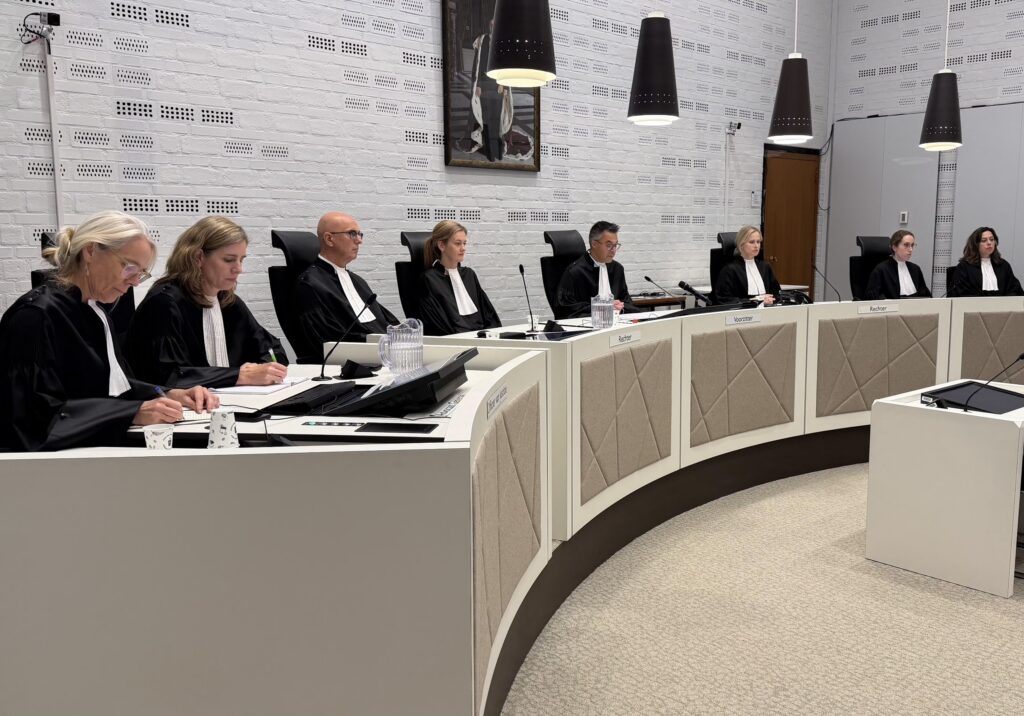
The coverage reported that attendees expressed relief over the ruling, considering it a fair step, even though some viewed it as insufficient given the severity of the violations attributed to the accused.
Followers of the case also believed that the judicial path in Holland could serve as an incentive for other victims to file complaints against perpetrators of violations wherever they are found, especially in countries whose laws allow prosecution based on the principle of universal jurisdiction.
In the civil part of the case, the court ruled not to accept the victims’ claims for financial compensation, due to its lack of jurisdiction over such claims within this type of criminal proceedings.
ADMSP
16/6/2026